
See the rest here:
Filtered Flicks: This Week’s Most Stylish On Instagram (Evelyn And Tami Gear Up For New Season, Joan Smalls Rocks Big Hair For ‘Vogue’ And More!)

The iPimps and the eHoes are increasing at a rapid rate among our children Study Shows Sexting Highest Among African-American And Hispanic Teens Via NBCNews More than 20 percent of black and Hispanic teens say they have used their cellphones to send a “sext” message showing a nekkid or semi-nekkid photo or video of themselves to another person, and more than 30 percent say they have received such sex messages, according to a new study. The research was done by University of Texas Health Science Center at Houston, and funded by the Centers for Disease Control and the U.S. Department of Health Services. Why the focus on the two groups? “Although sex messages among U.S. youth has received much popular media attention, there are only limited data on its prevalence among ethnic minority youth,” say the researchers in their study, published online journal, Cyberpsychology, Behavior and Social Networking. The concern about sex messages, the researchers say, is whether it “impacts other behaviors and health outcomes among youth and adults and, if so, what is the direction of the impact.” That said, not every scientist is convinced that sexting will lead to ho-ish tendencies. Balderdash, says Deb Levine, the executive director and founder of the Internet Sexuality Information Services, based in San Francisco, which uses the Internet and mobile apps and texts to share information about sexual health, disease prevention and assault. “From a public health perspective, we have not as yet identified ‘sex messaging’ as a risky sexual behavior as regards HIV, STDs and unplanned pregnancies,” Levine told NBC News. “Therefore, the need to identify young people who sex message seems unnecessary.” In a recent editorial piece, “Sex!ng: A Terrifying Health Risk … or the New Normal for Young Adults?” for the Journal of Adolescent Health, Levine wrote that “If we are to use sex messaging to create relevant health messaging for youth, the messages could focus less on shame and more on mutual consent, communication about sexual desires, and regular testing for HIV and other STDs, especially for sexually active members of high-risk groups.” One thing that is not in question however, is which demographic of people are more likely to be prone to having a lil freaky phone fun. “The results of this study indicate that sex messaging is prevalent among ethnic minority youth,” the researchers said in the study. “ And while the authors acknowledge that more research is needed to understand the context and circumstances of that sex messaging, “the first step in any public health inquiry is to understand the scope and prevalence of a potential health problem. Some data exist on the prevalence of sex messaging among youth in general. However, prevalence data for ethnic minority youth specifically are scarce.” The researchers’ data is based on findings from 1,034 tenth-graders from a “large, urban school district in southeast Texas.” In this new age of technology it’s not only important to talk to your kids about sex, but also “digital sexual activity”. Online sex sites, social networking apps, and unlimited use of smartphones all give young children the ability to do some freaky finger fawking. What do you think makes sexting more prevalent amongst African-American and latin kids? Are we just a more naturally freaky people?? Image via Shutterstock

Posted in Celebrities, Hollywood, Hot Stuff
Tagged context, disease-control, for the children, freaks, Hollywood, internet, kids, News, race matters, science, sexting-highest, texas, TMZ, what the hell???
What are they tryin’ to say?!?! We all know someone who likes to have a drank at the end of a long day but cotdayum…these statistics are pretty crazy. Americans get too many calories from soda. But what about alcohol? It turns out adults get almost as many empty calories from booze as from soft drinks, a government study found. Soda and other sweetened drinks — the focus of obesity-fighting public health campaigns — are the source of about 6 percent of the calories adults consume, on average. Alcoholic beverages account for about 5 percent, the new study found. “We’ve been focusing on sugar-sweetened beverages. This is something new,” said Cynthia Ogden, one of the study’s authors. She’s an epidemiologist with the Centers for Disease Control and Prevention which released its findings Thursday. The government researchers say the findings deserve attention because, like soda, alcohol contains few nutrients but plenty of calories. But a liquor trade association said the findings indicate there’s no big problem. “This research shows that the overwhelming majority of adults drink moderately,” Lisa Hawkins, a spokeswoman for the Distilled Spirits Council, said in a statement. The CDC study is based on interviews with more than 11,000 U.S. adults from 2007 through 2010. Participants were asked extensive questions about what they ate and drank over the previous 24 hours. The study found: –On any given day, about one-third of men and one-fifth of women consumed calories from beer, wine or liquor. –Averaged out to all adults, the average guy drinks 150 calories from alcohol each day, or the equivalent of a can of Budweiser. –The average woman drinks about 50 calories, or roughly half a glass of wine. –Men drink mostly beer. For women, there was no clear favorite among alcoholic beverages. –There was no racial or ethnic difference in average calories consumed from alcoholic beverages. But there was an age difference, with younger adults putting more of it away. For reference, a 12-ounce can of regular Coca-Cola has 140 calories, slightly less than a same-sized can of regular Bud. A 5-ounce glass of wine is around 100 calories. Here’s a thought. Maybe they should throw up the same calorie count on drinks as they do on everything else? LLS…do you think it’d make a difference? Images via shutterstock

More:
Did You Know? Americans Get Slizzard On The Daily And Consume Just As Much Booze As Soda!?!?
What the hell !?! That is on helluva accident. Police in Thailand say that they will charge a member of the Thai parliament with causing death by negligence for accidentally shooting his secretary dead with a sub-machine gun. Senator Boonsong Kowawisarat reportedly had in his possession a loaded 9mm Uzi submachine gun, though it is unclear why. According to police, the shooting took place inside a restaurant in the northern province of Phrae. The 55-year-old politician drew his weapon while he and his secretary, 46-year-old Chanakarn Detkard, were waiting to be served. The Uzi suddenly went off, and a bullet struck Chanakarn in her stomach. She was rushed to the hospital by the restaurant owner while Boonsong remained behind in shock. Due to his parliamentary privilege, the Senator has yet to be charged, but police expect he will ultimately be tried for death by negligence. If convicted, Boonsong faces as many as 10 years behind bars. Something ain’t clean in the water. He needs to be charged with murder if not at least carrying that type of weapon in public place. Did he have a license, why does he need to carry this type of weapon? Too many questions not being answered. Source

Read this article:
F*ck A Politician: Prominent Senator “Accidentally” Kills Secretary With Machine Gun While Waiting For Food At A Restaurant
Posted in Celebrities, Hollywood, Hot Stuff
Tagged boonsong, disease-control, Hollywood, invalid, michigan, mississippi, survey, the-list
Welcome to _______ home of the fatty McFat-Fats. Population: Damn near everybody! 12 States With The Highest Obesity Rates In The Country A new government survey shows 12 states now have very high obesity rates. Overall, more than a third of adults are obese but rates vary by state. The latest figures are based on a 2011 telephone survey that asked adults their height and weight. For the first time, households with only cell phones were included. State rates remained about the same although states with very high rates went from nine to 12. At least 30 percent of adults are obese in Alabama, Arkansas, Indiana, Kentucky, Louisiana, Michigan, Mississippi, Missouri, Oklahoma, South Carolina, Texas and West Virginia. Colorado was lowest, at just under 21 percent, and Mississippi was highest at nearly 36 percent. The Centers for Disease Control and Prevention released the figures Monday. Meanwhile, the survey shows New York has a relatively low level of obesity among adults. The rate in New York stood at 24.5 percent. Colorado was lowest, at just under 21 percent, and Mississippi was highest at nearly 35 percent. Source You HAVE to take care of yourselves people! That doesn’t mean you need to have a Rosa Acosta body, but you need to be healthy and active on a regular basis. Get off your ARSE!!! Image via Shutterstock Hit the flipper to see which states made the list

Read more from the original source:
Tipping The Scales: New Report Shows 12 States With High Obesity Rates, Are You Living In The Land Of Chubby Lumpkins?
Posted in Celebrities, Hollywood, Hot Stuff
Tagged alabama, country, did you know, disease-control, fats-population, Hollywood, made-the-list, michigan, mississippi, prevention, rates-remained, survey, the-list, TMZ
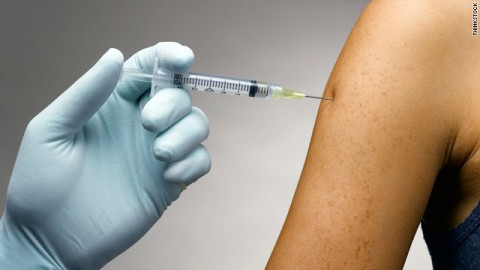
Gonorrhea Is Now Resistant To Its Last Remaining Cure If you needed any more convincing, here’s another reason you just have to wrap it up. The sexually transmitted disease, gonorrhea, colloquially known as “the clap,” may soon have no drugs left to treat the infection. Lab studies are showing an increasing resistance to the type of drugs that doctors use to treat gonorrhea, called cephalosporins. That leaves only a few options, which are not as effective. “Cephalosporin-resistant gonorrhea could potentially mean untreatable gonorrhea,” says Dr. Gail Bolan, director of the Division of STD Prevention at the CDC. “Untreatable gonorrhea is a real possibility.” Gonorrhea has already become resistant to every other class of drug used to treat it. For that reason, the CDC is urging doctors to immediately change their practice and begin treating with an injectable cephalosporin and adding one of two oral medications — azithromycin or doxycycline. Certain patients will need to return to the doctor in a week for a repeat test to ensure the medications worked. Any partners in the 60 days prior to diagnosis should be treated as soon as possible. Gonorrhea is transmitted through sexual contact with the penis, vagina, mouth or anus of an infected partner, according to the Centers for Disease Control and Prevention. Ejaculation does not have to occur to pass the disease. It can also spread from a mother to her child during childbirth. Over 300,000 cases are reported each year, and it’s estimated that the number is closer to 700,000, since many people go undiagnosed or untreated, and continue to pass it on. Untreated, gonorrhea has major implications for women, causing infertility, ectopic pregnancy — a life-threatening condition where the pregnancy is outside of the uterus — and a deeper infection that spreads into the uterus, fallopian tubes and the pelvis. Ew ew ew. Basically, in case you were wondering, you shouldn’t be messing with that raw doggie stuff. Get tested and stay safe. They got super diseases out there now. Source
Read more:
Clap Back: Gonorrhea Is Now Resistant To Its Last Remaining Cure
Posted in Celebrities, Hollywood, Hot Stuff
Tagged centers, deranged, disease, disease-control, familiar, gonorrhea cure, Hollywood, invalid, james-holmes, medications, pregnancy, Sex, the-disclosure
US Racial Gap In Life Expectancy At All Time Low This is a good look: The gap in life expectancy between blacks and whites in the United States, long attributed to socioeconomic disparities and a range of other factors, continued its historical decline between 2003 and 2008 and is now the smallest ever, Canadian researchers say in a new report. The study, which drew on data from the US Centers for Disease Control and Prevention (CDC) and other sources and was published in the June 6 edition of the Journal of the American Medical Association, found an increase in life expectancy for both men and women, black and white. The researchers from McGill University in Montreal noted a convergence in the rate of deaths from HIV and heart disease as contributing to the narrowing of the life expectancy gap. However the biggest factor in the narrowing of the gap, the researchers said, was an increase in the number of deaths among whites attributed to prescription drug abuse. “It is mostly a good news story, since life expectancy has increased for both groups,” says Sam Harper, an epidemiologist at McGill and lead author for the study. However, the findings that point to prescription drug abuse are “a potential cause for concern.” The study found that the gap in life expectancy between black and white women of non-Hispanic origin closed to 3.7 years in 2008, down from 4.6 years in 2003. For men, the gap has closed to 5.4 years, down from 6.5 years. Life expectancy at birth for white men now stands at 76.2 years, up from 75.3 years, compared with 70.8 years for black men, up from 68.8 years. For white women, life expectancy rose from 80.3 to 81.2 years, and for black women from 75.7 to 77.5 years. The researchers looked at data compiled by the CDC and others and found that differences in the rates of heart disease, diabetes, homicide, HIV, and infant mortality remained the main reasons for the racial gap. Among men, heart disease and homicide were the two primary contributors; for women, the two contributors were heart disease and diabetes. But the narrowing recorded over the five-year span of data points to shifts in “unintentional injury” rates, as well as HIV and heart disease, the study’s authors conclude. Most notably, within the category of unintentional injury, fatal poisonings were the leading increase among whites – by 58 percent for men and 74 percent for women between ages 20 and 54. Dr. Harper said 80 to 90 percent of the unintentional poisoning deaths appear to be drug-related, and a big proportion of that due to opiates and abuse of prescription drugs such as oxycodone – a fact that mirrors growing public awareness of the problem of prescription drug abuse. The authors pointed out that in earlier studies that looked at the period between 1993 and 2003, the life expectancy gap between blacks and whites had narrowed by nearly two years for men and one year for women. Source
Read this article:
Race Matters: Gap Between Life Expectancy Of Blacks And Whites Reaches An All Time Low
Posted in Celebrities, Hollywood, Hot Stuff
Tagged chairman, disease-control, enterprises, famously, journal, life, stars, the-narrowing, unintentional
US Racial Gap In Life Expectancy At All Time Low This is a good look: The gap in life expectancy between blacks and whites in the United States, long attributed to socioeconomic disparities and a range of other factors, continued its historical decline between 2003 and 2008 and is now the smallest ever, Canadian researchers say in a new report. The study, which drew on data from the US Centers for Disease Control and Prevention (CDC) and other sources and was published in the June 6 edition of the Journal of the American Medical Association, found an increase in life expectancy for both men and women, black and white. The researchers from McGill University in Montreal noted a convergence in the rate of deaths from HIV and heart disease as contributing to the narrowing of the life expectancy gap. However the biggest factor in the narrowing of the gap, the researchers said, was an increase in the number of deaths among whites attributed to prescription drug abuse. “It is mostly a good news story, since life expectancy has increased for both groups,” says Sam Harper, an epidemiologist at McGill and lead author for the study. However, the findings that point to prescription drug abuse are “a potential cause for concern.” The study found that the gap in life expectancy between black and white women of non-Hispanic origin closed to 3.7 years in 2008, down from 4.6 years in 2003. For men, the gap has closed to 5.4 years, down from 6.5 years. Life expectancy at birth for white men now stands at 76.2 years, up from 75.3 years, compared with 70.8 years for black men, up from 68.8 years. For white women, life expectancy rose from 80.3 to 81.2 years, and for black women from 75.7 to 77.5 years. The researchers looked at data compiled by the CDC and others and found that differences in the rates of heart disease, diabetes, homicide, HIV, and infant mortality remained the main reasons for the racial gap. Among men, heart disease and homicide were the two primary contributors; for women, the two contributors were heart disease and diabetes. But the narrowing recorded over the five-year span of data points to shifts in “unintentional injury” rates, as well as HIV and heart disease, the study’s authors conclude. Most notably, within the category of unintentional injury, fatal poisonings were the leading increase among whites – by 58 percent for men and 74 percent for women between ages 20 and 54. Dr. Harper said 80 to 90 percent of the unintentional poisoning deaths appear to be drug-related, and a big proportion of that due to opiates and abuse of prescription drugs such as oxycodone – a fact that mirrors growing public awareness of the problem of prescription drug abuse. The authors pointed out that in earlier studies that looked at the period between 1993 and 2003, the life expectancy gap between blacks and whites had narrowed by nearly two years for men and one year for women. Source
Read the original post:
Race Matters: Gap Between Life Expectancy Of Blacks And Whites Reaches An All Time Low
US Racial Gap In Life Expectancy At All Time Low This is a good look: The gap in life expectancy between blacks and whites in the United States, long attributed to socioeconomic disparities and a range of other factors, continued its historical decline between 2003 and 2008 and is now the smallest ever, Canadian researchers say in a new report. The study, which drew on data from the US Centers for Disease Control and Prevention (CDC) and other sources and was published in the June 6 edition of the Journal of the American Medical Association, found an increase in life expectancy for both men and women, black and white. The researchers from McGill University in Montreal noted a convergence in the rate of deaths from HIV and heart disease as contributing to the narrowing of the life expectancy gap. However the biggest factor in the narrowing of the gap, the researchers said, was an increase in the number of deaths among whites attributed to prescription drug abuse. “It is mostly a good news story, since life expectancy has increased for both groups,” says Sam Harper, an epidemiologist at McGill and lead author for the study. However, the findings that point to prescription drug abuse are “a potential cause for concern.” The study found that the gap in life expectancy between black and white women of non-Hispanic origin closed to 3.7 years in 2008, down from 4.6 years in 2003. For men, the gap has closed to 5.4 years, down from 6.5 years. Life expectancy at birth for white men now stands at 76.2 years, up from 75.3 years, compared with 70.8 years for black men, up from 68.8 years. For white women, life expectancy rose from 80.3 to 81.2 years, and for black women from 75.7 to 77.5 years. The researchers looked at data compiled by the CDC and others and found that differences in the rates of heart disease, diabetes, homicide, HIV, and infant mortality remained the main reasons for the racial gap. Among men, heart disease and homicide were the two primary contributors; for women, the two contributors were heart disease and diabetes. But the narrowing recorded over the five-year span of data points to shifts in “unintentional injury” rates, as well as HIV and heart disease, the study’s authors conclude. Most notably, within the category of unintentional injury, fatal poisonings were the leading increase among whites – by 58 percent for men and 74 percent for women between ages 20 and 54. Dr. Harper said 80 to 90 percent of the unintentional poisoning deaths appear to be drug-related, and a big proportion of that due to opiates and abuse of prescription drugs such as oxycodone – a fact that mirrors growing public awareness of the problem of prescription drug abuse. The authors pointed out that in earlier studies that looked at the period between 1993 and 2003, the life expectancy gap between blacks and whites had narrowed by nearly two years for men and one year for women. Source
Go here to read the rest:
Race Matters: Gap Between Life Expectancy Of Blacks And Whites Reaches An All Time Low
Posted in Celebrities, Hollywood, Hot Stuff
Tagged bennyhollywood, disease-control, House, montreal, narrowing, regaled-donors, researchers, romney, study, unintentional
US Racial Gap In Life Expectancy At All Time Low This is a good look: The gap in life expectancy between blacks and whites in the United States, long attributed to socioeconomic disparities and a range of other factors, continued its historical decline between 2003 and 2008 and is now the smallest ever, Canadian researchers say in a new report. The study, which drew on data from the US Centers for Disease Control and Prevention (CDC) and other sources and was published in the June 6 edition of the Journal of the American Medical Association, found an increase in life expectancy for both men and women, black and white. The researchers from McGill University in Montreal noted a convergence in the rate of deaths from HIV and heart disease as contributing to the narrowing of the life expectancy gap. However the biggest factor in the narrowing of the gap, the researchers said, was an increase in the number of deaths among whites attributed to prescription drug abuse. “It is mostly a good news story, since life expectancy has increased for both groups,” says Sam Harper, an epidemiologist at McGill and lead author for the study. However, the findings that point to prescription drug abuse are “a potential cause for concern.” The study found that the gap in life expectancy between black and white women of non-Hispanic origin closed to 3.7 years in 2008, down from 4.6 years in 2003. For men, the gap has closed to 5.4 years, down from 6.5 years. Life expectancy at birth for white men now stands at 76.2 years, up from 75.3 years, compared with 70.8 years for black men, up from 68.8 years. For white women, life expectancy rose from 80.3 to 81.2 years, and for black women from 75.7 to 77.5 years. The researchers looked at data compiled by the CDC and others and found that differences in the rates of heart disease, diabetes, homicide, HIV, and infant mortality remained the main reasons for the racial gap. Among men, heart disease and homicide were the two primary contributors; for women, the two contributors were heart disease and diabetes. But the narrowing recorded over the five-year span of data points to shifts in “unintentional injury” rates, as well as HIV and heart disease, the study’s authors conclude. Most notably, within the category of unintentional injury, fatal poisonings were the leading increase among whites – by 58 percent for men and 74 percent for women between ages 20 and 54. Dr. Harper said 80 to 90 percent of the unintentional poisoning deaths appear to be drug-related, and a big proportion of that due to opiates and abuse of prescription drugs such as oxycodone – a fact that mirrors growing public awareness of the problem of prescription drug abuse. The authors pointed out that in earlier studies that looked at the period between 1993 and 2003, the life expectancy gap between blacks and whites had narrowed by nearly two years for men and one year for women. Source
Go here to read the rest:
Race Matters: Gap Between Life Expectancy Of Blacks And Whites Reaches An All Time Low
Posted in Celebrities, Hollywood, Hot Stuff
Tagged bennyhollywood, disease-control, House, montreal, narrowing, regaled-donors, researchers, romney, study, unintentional



 Breaking Sports Video




Pac-12 NCAA Sports
Justin Bieber Fan Site Breaking News

