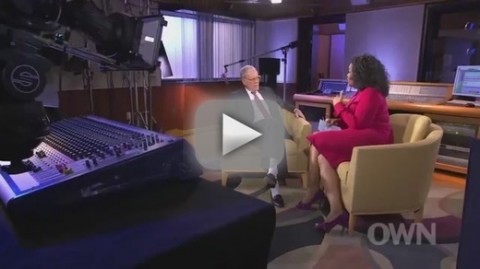
One-time quasi-adversaries Oprah Winfrey and David Letterman sat down for a wide ranging interview on Oprah’s Next Chapter last night. On the docket: Dave’s affair and telling wife Regina Lasko about it; Letterman’s battle with depression and threshold for embarrassment; His thoughts on rival Jay Leno. David Letterman Oprah Interview – on Jay Leno Oprah didn’t shy away from asking tough questions. Ditto Dave answering them, including the sex scandal of 2009 that nearly ended his marriage. After a producer for CBS’s 48 Hours threatened to write a screenplay about the host’s infidelities unless Letterman paid him $2 million, he went to the police. Robert Halderman was arrested, but Letterman’s dirty laundry was aired; he publicly confessed to affairs with Late Show interns in an on-air monologue. David Letterman Oprah Interview – On Affair David Letterman Oprah Interview – Depression “I have no one to blame but myself,” Letterman told Winfrey, adding that he knows he “hurt a lot of people.” But there’s a silver lining to the scandal: “I feel better about myself,” he says. “My relationship with my wife is never better, and it’s just because I want to be the person I always thought I was and probably was pretending I was.” Letterman also delved into his depression, including a six-month “sinkhole” during which he couldn’t shake the urge to stay in bed all day or tolerate sunlight. David Letterman Oprah Interview – Sex Scandal David Letterman Oprah Interview – Hates to Be Embarrassed When Winfrey asked how he managed to work throughout that period of darkness in his life, Letterman answered that he simply “had to push through.” As for his late night adversary, Dave said Jay Leno is talented and insecure – probably more so in both departments than anyone he’s ever met.
According to ABC : According to ABC News 24 in Memphis, video performer Pebbelz Da Model, real name Natasha Stewart, was arrested along with another woman in connection to a homicide in Mississippi. Pebblez, known for videos and photos featuring her 48-inch backside, was wanted for questioning in the death of a Mississippi woman who had her buttocks injected with concrete. Stewart was wanted for questioning and was arrested on January 3rd then charged with being a fugitive from justice in relation to the homicide. She is currently being held at a Shelby County Jail with another woman, Shannetria Newberry. Pebblez Da Model is a native of Memphis and has appeared in videos for rappers like Cam’ron , in magazines like ‘Straight Stuntin’and ‘F.E.D.S’ and has a series of DVDS. In this interview with TrueStoriesRadio she talks about the controversy over her butt and whether it’s real. Turn the page to see this trick-killer talk about her cakes and if it’s real or not…it’s kind of freaky-ratchet, so don’t turn the page if your boss is hanging over your shoulder.
A career of playing righteous bad-asses in Pulp Fiction , the Star Wars prequel trilogy and the Marvel superhero movies has made Samuel L. Jackson one of the highest grossing actors of all time. Which makes his decision to play Stephen, the calculating and merciless right-hand man of plantation owner Calvin Candie ( Leonardo DiCaprio ) in Quentin Tarantino’s Django Unchained, Jackson’s most daring acting choice yet. Fans of the actor who see Tarantino’s spaghetti southern, which opens Christmas day, in the hopes of seeing Jackson in a Jules Winnfield -style role are in for quite a surprise. The 64-year-old Jackson originally wanted the role of the film’s titular hero, but when he learned he was too old for the part, he took the role of one of Django’s main antagonists and set out to make him, as he says in the interview below, ” the most reprehensible negro in cinema history.” Although it’s hard to imagine, Jackson told Movieline that he was initially depicted as even more villainous in earlier cut of Django Unchained , but that Tarantino “sanitized” Stephen in the editing room. Jackson also talked about his desire to reprise Mace Windu in Disney’s reboot of the Star Wars franchise and his frustration with America’s refusal to confront its history with slavery. Movieline: Stephen is such a complex character. He manages to be a villain, a slave and a father figure to Calvin Candie. There are also parallels between Stephen’s relationship to Calvin and Django’s relationship to Dr. King Schultz. Was all of this in the script? Samuel Jackson: It’s always been in the script. When Quentin and I were talking about it, he was saying that they were mirrored relationships and by the time Django and Schultz got to Candyland they would have developed the relationship that Calvin and I have always had. Theirs is more mentor/mentee. And ours is more father/son. But it’s still the same kind of relationship. Your character turns out to be the power behind the throne at Candyland. Yeah, I’m the brains at the plantation. I know what’s going on and I’ve been around longer. And Calvin is not the brightest candle in the room. As I said earlier, I’m the Dick Cheney of Candyland. Given what this movie has to say about slavery and how reprehensible your character is, did you have to think twice about taking this part? Not at all. When I read the script, and realized I wasn’t Django and then who Stephen was, I was like, okay, we’ve seen Uncle Toms, we’ve seen slaves, we’ve seen Stepin Fetchit, but we never seen this guy. And the potential for him to be the most reprehensible negro in cinema history is there. I think you succeed there. It’s in the film, but like Quentin says, we’re also talking about things that you don’t see. There are scenes we shot that aren’t in the movie in which I do some things that are way more reprehensible than what you actually see on screen.” Such as? Well in that scene where Django’s hanging upside down, and I give that speech. There’s a whole other section of that speech that goes on where I torture him. ” I burn his nipples off with a hot poker. I do all kinds of shit to him in that scene that would have just made people go, ‘ Ahhhhh!” Just for fun? There’s another scene we shot where, when Django first gets to Candyland, he and Stephen have a physical altercation. I show him to his room, and I say something to him and he slaps me down. He actually puts his hands on me. I’m supposed to be old and weak, so I don’t do anything. He puts his foot in my chest and he says all this shit to me about how fucked up I am and kicks me out of the room. He kicks me in the ass and kicks me out of the room. And from that point on, I’m on his ass trying to figure out what’s up. So there’s that, and I do some other things to some other slaves that are in the house that you actually see me do on the screen. I say shit about them, I reprimand them and do shit to them. So, Stephen is a detestable character who could have been much more detestable. Quentin sanitized Stephen a bit. What’s interesting about this movie is that it’s very entertaining and, yet, I had quite a visceral reaction to the scenes of brutality involving slaves. Yeah, they’re horrific. The guy sitting next to me walked out. Oh did he? And didn’t come back? No, he didn’t come back. And I got the impression that Tarantino wants moviegoers to really feel the brutality of those scenes. It’s not an easy time. You know, every time people do a movie about slavery, you don’t see that kind of shit. You might see a person get whipped, or you might see somebody get dressed down or shackled or whatever. But, you know, human life was cheap to those people. If you did something wrong, an example was made to make sure that whoever saw [the punishment] knew this is what could happen to you. We’ll cut your foot off. We’ll cut your hand off. You know, they used to take pregnant women — take one of them, cut her belly open, drop the baby out and just stomp it to death in front of all the slaves. Good lord. Just to let them know: I own you. I can do whatever I want with you. Like Leo says, “I can smash your brains out if I feel like it.” As a poorly informed white guy, by the end of the movie, I certainly felt like I had a greater understanding of why there’s so much lingering anger over that period in American history. Yeah, because we’ve been avoiding really talking about it. Okay, so you fucked over the Indians, and you gave them their land back and tax-free casinos. You fucked over the Japanese. You interred them during World War II and then you turned around and you gave all of them some money. Well, after you fucked us over, we didn’t get the 40 acres and a mule. You look at us every day and go, “Fuck y’all.” When the subject of reparations is raised, everybody goes: “Well, I didn’t have slaves. Those were my ancestors. Get over it.” Well you didn’t ask those other motherfuckers to get over it. Why do we got to get over it? When I was in Liverpool doing Formula 51 , that port was one of the first places slave ships stopped on the way over here. And there are huge shipping buildings that used to be shipping corporations and all of them have these slave faces painted on their facades. And people there told me, “Well, you know, there was a lot of slave trade here and this [city] was built on the blood of slaves. So we have their faces on the buildings.” And then they had a big apology ceremony while I was there. They owned up to their responsibility and their part in the slave trade. America has never done any shit like that. Do you think it would help or is too little, too late at this point? Fuck no. We’re past all that shit. There’s also been quite a bit of discussion in the media over the number of times that the word “nigger” is uttered in the movie. There was no other term for who we were. They weren’t talking about African-Americans and Negros. That was the name. That was it. How do you feel about white people using the word, for example in a pop-culture context. I’m kind of over it. I grew up hearing it. I grew up in Tennessee during segregation, so it was something that was screamed out, of course. When people ask me, ‘What’s the first time you were called nigger?’ I say, probably some time in my house when I was like one or two years old . So, I can look at a person and tell what their intent is, and I deal with it that way. I deal with it in context. Your performance as Stephen is full of surprises beginning with the moment that you first appear onscreen. What is your favorite scene in the movie? My favorite scene is not in the movie. Seriously? What happens in it? My favorite scene is the one in the barn where I explain to Django [who’s been captured and suspended upside down] what the problem was between him and me: He put his hands on me, and nobody has ever touched me in my life. I explain that I’ve been on this plantation 70-odd years and I’ve seen all kinds of shit done to niggers: hanging, drowning — Some of that does remain in the movie. And after I run through this litany of all this horrific shit that gets done to slaves, I say, you know I ain’t never been touched, and your black ass shows up and slaps me down. I’m doing this because you put your hands on me. Can you see any reason to empathize with the character you play? He’s a product of his environment. His grandfather did that job. His father did that job. He’d never been in the fields. He was raised to be Calvin Candie’s right-hand-man and because he’s in that position, not only can he read and write, he writes the checks. He runs the plantation. He makes sure the cotton gets picked. He is the king of a 75-mile radius world, and he knows that if he steps foot outside that, he’s just another slave in the South. So why wouldn’t he want that? As far as he knows, that system has worked all his life. Plus the white people on the plantation take orders from him. What better world could he be in? You’ve been pretty vocal about your desire to reprise the role of Mace Windu in one of the new Star Wars movies that Disney is making. Has the studio talked to you at all? I’m campaigning. They haven’t approached me yet. I’ve been putting my feelers out there, and I’ve got all my people on Twitter talking about it. So hopefully they’ll hear it and whoever’s writing the story will, you know, write me in as an Obi-wan Kenobi hologram ghost, or maybe even I can fuckin’ show back up with one hand. He is a Jedi. Right, and Anakin lost his arm in Episode II . Yeah. I’m down with that. I’m totally down with it. And I think they are going to need characters that audiences are familiar with to get [the franchise] going in a direction where people will feel comfortable and familiar with what’s going on. They just can’t bring in a whole bunch of new Jedi — no way. Read More on Django Unchained: Samuel L. Jackson Says He Burned Off Jamie Foxx’s Nipples In Cut ‘Django Unchained’ Scene Quentin Tarantino Says Slavery Still Exists Via ‘Mass Incarcerations’ & The ‘War On Drugs’ Follow Frank DiGiacomo on Twitter. Follow Movieline on Twitter.
61% of houses in Jeff Sessions state receives assistance from SNAP… and Soledad calls the Republican Senator out for wanting to cut back on funding! According to the interview , he says the figures ‘aren’t accurate’, and Soledad asks ‘why are you trying to balance the budget on people who make less than $23k a year?!?!’ Soledad O’Brien grilled Sen. Jeff Sessions over his efforts to cut the federal food stamps program on Tuesday’s “Starting Point.” Earlier this year, Sessions proposed removing $11 billion from the Supplemental Nutrition Assistance Program. He advocated cuts on Tuesday, arguing that food stamp spending has gone up even though unemployment is currently on the decline. O’Brien seemed skeptical. “There are people who’d say if you’re doing cuts, you invariably hurt people who need food and people who need food stamps to buy supplemental food,” she said. Sessions argued that the program has been “growing out of control” and “there are a lot of people receiving benefits who do not qualify and should not receive them.” O’Brien said that Sessions himself voted to expand the program in 2002 and 2008, and cited research that found the program has a low rate of fraud. Later, she said, “When you’re thinking of things to cut, people basically say, why are you trying to balance the budget on people making less than $23,000 a year… So why not cut something else? There are other things that could be on the table before you pick a program that is feeding the nation’s poor children.” Sessions said that he was not picking on solely the food stamp program. “I say all programs need to be examined in this government,” he responded. “This government is wasting money every day.” SMH…when will these old azz white men stop slashing monies for those in need?? Images via youtube/tumblr
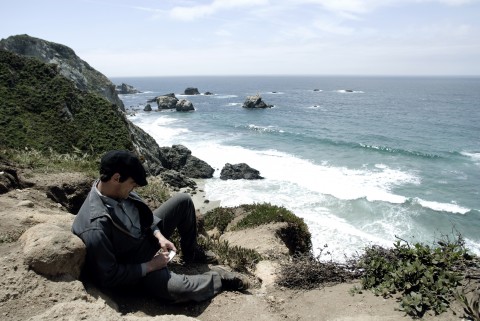
Films starring Guy Pearce, Nicole Kidman , Alexander Skarsgard, Joseph Gordon-Levitt , Ashton Kutcher , Demi Moore and Naomi Watts are some of the highlights from world premieres that make up the 2013 Sundance Film Festival ‘s Premieres section. Organizers revealed its selections Monday, which includes Gordon-Levitt’s feature directorial debut, Don Jon’s Addiction . The eighteen titles include the latest from veteran filmmakers Richard Linklater , Michael Polish, Zal Batmanglij, Michael Winterbottom, Jane Campion, Park Chan-wook and David Gordon Green. [ Related: Check out Sundance’s Midnight and Spotlight Premieres , Also U.S. and World Competition as well as Next lineups ] The event also announced 11 non-fiction features that will screen in its Documentary Premieres section, including new work from Oscar winners Alex Gibney and Barbara Kopple in addition to the directorial debut from Foo Fighters frontman, David Grohl ( Sound City ). In all, Sundance will include 115 feature-length films, with 101 screening as World Premieres. “We are pleased to see a number of returning filmmakers in our Premieres and Documentary Premieres sections, indicating that there is sustainability, longevity and personal reward to careers in independent film,” said Sundance Film Festival Director John Cooper in a statement. “The films announced today build on each filmmaker’s personal artistic legacy and contribute to the ever-growing and inspiring achievements of the independent film community.” The 2013 Sundance Film Festival, January 17-27 in Park City, Salt Lake City, Ogden and Sundance, Utah. [ Related Interview: Sundance Director John Cooper Says ‘Fearlessness’ Distinguishes The Festival’s 2013 Slate ] Sundance Film Festival 2013 Premiere and Documentary Premiere with descriptions provided by the festival. PREMIERES A showcase of world premieres of some of the most highly anticipated dramatic films of the coming year. Presented by Entertainment Weekly. A.C.O.D. / U.S.A. (Director: Stuart Zicherman, Screenwriters: Ben Karlin, Stuart Zicherman) — Carter is a well-adjusted Adult Child of Divorce. So he thinks. When he discovers he was part of a divorce study as a child, it wreaks havoc on his family and forces him to face his chaotic past. Cast: Adam Scott, Richard Jenkins, Catherine O’Hara, Amy Poehler, Mary Elizabeth Winstead, Clark Duke. Before Midnight / U.S.A. (Director: Richard Linklater, Screenwriters: Julie Delpy, Ethan Hawke, Richard Linklater— We meet Jesse and Celine nine years on in Greece. Almost two decades have passed since their first meeting on that train bound for Vienna. Before the clock strikes midnight, we will again become part of their story. Cast: Ethan Hawke, Julie Delpy, Xenia Kalogeropoulou, Ariane Labed, Athina Rachel Tsangari, Seamus Davey-Fitzpatrick. Big Sur / U.S.A. (Director and screenwriter: Michael Polish) — Unable to cope with a suddenly demanding public and battling advanced alcoholism, Jack Kerouac seeks respite in three brief sojourns to a cabin in Big Sur, which reveal his mental and physical deterioration. Cast: Jean-Marc Barr, Kate Bosworth, Josh Lucas, Radha Mitchell, Anthony Edwards, Henry Thomas. Breathe In / U.S.A. (Director: Drake Doremus, Screenwriters: Drake Doremus, Ben York Jones) — When a foreign exchange student arrives in a small upstate New York town, she challenges the dynamics of her host family’s relationships and alters their lives forever. Cast: Guy Pearce, Felicity Jones, Amy Ryan, Mackenzie Davis. Don Jon’s Addiction / U.S.A. (Director and screenwriter: Joseph Gordon-Levitt) — In Joseph Gordon-Levitt’s charming directorial debut, a selfish modern-day Don Juan attempts to change his ways. Cast: Joseph Gordon-Levitt, Scarlett Johansson, Julianne Moore, Tony Danza, Glenne Headly, Rob Brown. The East / U.S.A. (Director: Zal Batmanglij, Screenwriters: Zal Batmanglij, Brit Marling) — An operative for an elite private intelligence firm goes into deep cover to infiltrate a mysterious anarchist collective attacking major corporations. Bent on apprehending these fugitives, she finds her loyalty tested as her feelings grow for the group’s charismatic leader. Cast: Brit Marling, Alexander Skarsgård, Ellen Page, Toby Kebbell, Shiloh Fernandez, Patricia Clarkson. The Inevitable Defeat of Mister and Pete / U.S.A. (Director: George Tillman Jr., Screenwriter: Michael Starrbury) — Separated from their mothers and facing a summer in the Brooklyn projects alone, two boys hide from police and forage for food, with only each other to trust. A story of salvation through friendship and two boys against the world. Cast: Skylan Brooks, Ethan Dizon, Jennifer Hudson, Jordin Sparks, Anthony Mackie, Jeffrey Wright. jOBS / U.S.A. (Director: Joshua Michael Stern, Screenwriter: Matt Whiteley) — The true story of one of the greatest entrepreneurs in American history, jOBS chronicles the defining 30 years of Steve Jobs’ life. jOBS is a candid, inspiring and personal portrait of the one who saw things differently. Cast: Ashton Kutcher, Dermot Mulroney, Josh Gad, Lukas Haas, J.K. Simmons, Matthew Modine. CLOSING NIGHT FILM The Look of Love / United Kingdom (Director: Michael Winterbottom, Screenwriter: Matt Greenhalgh) — The true story of British adult magazine publisher and entrepreneur Paul Raymond. A modern day King Midas story, Raymond became one of the richest men in Britain at the cost of losing those closest to him. Cast: Steve Coogan, Anna Friel, Imogen Poots, Tamsin Egerton. Lovelace / U.S.A. (Directors: Rob Epstein, Jeffrey Friedman, Screenwriter: Andy Bellin) — Deep Throat, the first pornographic feature film to be a mainstream success, was an international sensation in 1972 and made its star, Linda Lovelace, a media darling. Years later the “poster girl for the sexual revolution” revealed a darker side to her story. Cast: Amanda Seyfried, Peter Sarsgaard, Hank Azaria, Adam Brody, James Franco, Sharon Stone. The Necessary Death of Charlie Countryman / U.S.A. (Director: Fredrik Bond, Screenwriter: Matt Drake) — Traveling abroad, Charlie Countryman falls for Gabi, a Romanian beauty whose unreachable heart has its origins in Nigel, her violent, charismatic ex. As the darkness of Gabi’s past increasingly envelops him, Charlie resolves to win her heart, or die trying. Cast: Shia LaBeouf, Evan Rachel Wood, Mads Mikkelsen, Rupert Grint, James Buckley, Til Schweiger. Prince Avalanche / U.S.A. (Director and screenwriter: David Gordon Green) — Two highway road workers spend the summer of 1988 away from their city lives. The isolated landscape becomes a place of misadventure as the men find themselves at odds with each other and the women they left behind. Cast: Paul Rudd, Emile Hirsch. Stoker / U.S.A. (Director: Park Chan-Wook, Screenwriter: Wentworth Miller) — After India’s father dies in an auto accident, her Uncle Charlie comes to live with her and her mother, Evelyn. Soon after his arrival, India suspects that this mysterious, charming man has ulterior motives but becomes increasingly infatuated with him. Cast: Mia Wasikowska, Matthew Goode, Dermot Mulroney, Jacki Weaver, Nicole Kidman. Sweetwater / U.S.A. (Directors: Logan Miller, Noah Miller, Screenwriter: Andrew McKenzie) — In the late 1800s, a fanatical religious leader, a renegade Sheriff, and a former prostitute collide in a blood triangle on the rugged plains of the New Mexico Territory. Cast: Ed Harris, January Jones, Jason Isaacs, Eduardo Noriega, Steven Rude, Amy Madigan. Top of the Lake / Australia, New Zealand (Directors: Jane Campion, Garth Davis, Screenwriters: Jane Campion, Gerard Lee) — A 12-year-old girl stands chest deep in a frozen lake. She is five months pregnant, and won’t say who the father is. Then she disappears. So begins a haunting mystery that consumes a community. Cast: Elisabeth Moss, Holly Hunter, Peter Mullan, David Wenham. This six-hour film will screen once during the Festival. Two Mothers / Australia, France (Director: Anne Fontaine, Screenwriter: Christopher Hampton) — This gripping tale of love, lust and the power of friendship charts the unconventional and passionate affairs of two lifelong friends who fall in love with each other’s sons. Cast: Naomi Watts, Robin Wright, Xavier Samuel, James Frechevile. Very Good Girls / U.S.A. (Director and screenwriter: Naomi Foner) — In the long, half-naked days of a New York summer, two girls on the brink of becoming women fall for the same guy and find that life isn’t as simple or safe as they had thought. Cast: Dakota Fanning, Elizabeth Olsen, Boyd Holbrook, Demi Moore, Richard Dreyfuss, Ellen Barkin. The Way, Way Back / U.S.A. (Directors and screenwriters: Nat Faxon, Jim Rash) — Duncan, an introverted 14-year-old, comes into his own over the course of a comedic summer when he forms unlikely friendships with the gregarious manager of a rundown water park and the misfits who work there. Cast: Steve Carell, Toni Collette, Allison Janney, Sam Rockwell, Maya Rudolph, Liam James. DOCUMENTARY PREMIERES Renowned filmmakers and films about huge subjects comprise this section highlighting our ongoing commitment to documentaries. Each is a world premiere. ANITA / U.S.A. (Director: Freida Mock) — Anita Hill, an African-American woman, charges Supreme Court nominee Clarence Thomas with sexual harassment in explosive Senate hearings in 1991 – bringing sexual politics into the national consciousness and fueling 20 years of international debate on the issues. The Crash Reel / U.S.A. (Director: Lucy Walker) — The jaw-dropping story of one unforgettable athlete, Kevin Pearce; one eye-popping sport, snow boarding; and one explosive issue, traumatic brain injury. An epic rivalry between Kevin and Shaun White culminates in a life-changing crash and a comeback story with a difference. SALT LAKE CITY GALA FILM History of the Eagles / U.S.A. (Director: Alison Ellwood) — Using never-before-seen home movies, archival footage and new interviews with all current and former members of the Eagles, this documentary provides an intimate look into the history of the band and the legacy of their music. Linsanity / U.S.A. (Director: Evan Leong) — Jeremy Lin came from a humble background to make an unbelievable run in the NBA. State high school champion, all-Ivy League at Harvard, undrafted by the NBA and unwanted there: his story started long before he landed on Broadway. Pandora’s Promise / U.S.A. (Director: Robert Stone) — A growing number of environmentalists are renouncing decades of antinuclear orthodoxy and have come to believe that the most feared and controversial technology known to mankind is probably our greatest hope. Running from Crazy / U.S.A. (Director: Barbara Kopple) — Mariel Hemingway, granddaughter of Ernest Hemingway, strives for a greater understanding of her family history of suicide and mental illness. As tragedies are explored and deeply hidden secrets are revealed, Mariel searches for a way to overcome a similar fate. Sound City / U.S.A. (Director: Dave Grohl) — Through interviews and performances with the legendary musicians and producers who worked at America’s greatest unsung recording studio, Sound City, we explore the human element of music, and the lost art of analog recording in an increasingly digital world. We Steal Secrets: The Story of WikiLeaks / U.S.A. (Director: Alex Gibney) — In 2010, WikiLeaks and its sources used the power of the Internet to usher in what was for some a new era of transparency and for others the beginnings of an information war. When I Walk / U.S.A., Canada (Director: Jason DaSilva) — At 25, filmmaker and artist Jason DaSilva finds out he has a severe form of multiple sclerosis. This film shares his personal and grueling journey over the next seven years. Along the way, an unlikely miracle changes everything. Which Way is the Front Line from Here? The Life and Time of Tim Hetherington / U.S.A. (Director: Sebastian Junger) — Shortly after the release of his documentary Restrepo, photographer Tim Hetherington was killed in Libya. Colleague Sebastian Junger traces Hetherington’s work across the world’s battlefields to reveal how he transcended the boundaries of image-making to become a luminary in his profession. The World According to Dick Cheney / U.S.A. (Directors: R.J. Cutler, Greg Finton) — How did Dick Cheney become the single-most-powerful nonpresidential figure in American history? This multi-layered examination of Cheney’s life, career, key relationships and controversial worldview features exclusive interviews with the former vice president and his closest allies.
Wiz Khalifa and Fiance, Amber Rose are ready to make their relationship “official” BEFORE the birth of their first child together… From The Huffington Post…
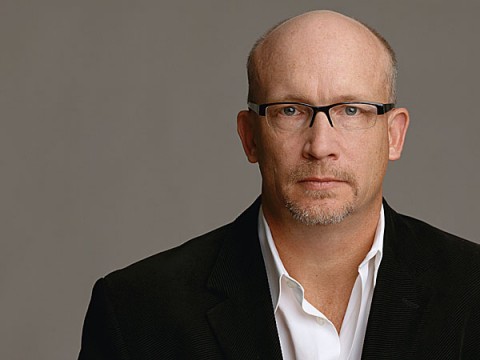
Sundays are a good time for soul-searching — which makes it a good time to check in with filmmaker Alex Gibney , whose chilling documentary about sexual abuse in the Catholic church, Mea Maxima Culpa: Silence in the House of God , is a must-see for anyone interested in the subject as well as the larger issue of what happens when religion becomes big business. Gibney’s documentary, which is in its second week of theatrical release and will run on HBO in February, begins with the headlines-making case of Father Lawrence Murphy, who, in a letter to the Vatican in 1998, admitted to abusing some 200 boys since the 1950s at the St. John’s School for the Deaf in St. Francis, Wisconsin. Although the Vatican had been aware of Murphy’s actions since 1963, he was never defrocked and, in fact, was allowed to remain at the school until 1974 (when he was transferred). Mea Maxima Culpa , which translates to “My Most Grievous Fault,” takes Gibney all the way to the Vatican, and in this interview, the filmmaker talks about the surprisingly integral roles that the late Pope John Paul II and his successor Pope Benedict XVI (then Cardinal Joseph Ratzinger) played in this tragic tale as well as his doubts that the church will ever openly confront this issue in a way that will bring some measure of peace to its many victims. Movieline: After seeing Mea Maxima Culpa , I thought that it shares a theme with Client 9: The Rise and Fall of Eliot Spitzer . On one level, this is about a giant corporation quashing someone those who dare to challenge its ethics. Gibney: That’s right. It’s an abuse of power of sorts. The Vatican is a corporation. It’s religion that’s become a corporation and therein lays the rub. The Vatican has become too seduced by its own power and money. Vatican City is its own state. What struck me about Mea Maxima Culpa is the arrogance that the church has shown towards those who have suffered sexual abuse at the hands of Catholic priests. For somebody like Pope Benedict, I don’t think it’s an arrogance born of malice. I think that the hierarchy intuits itself as a kind of holy order, which is innately better than everyone else and, therefore, can’t fathom the idea of punishing one of its own. It’s like ratting on a family member. If you find out a brother has committed a crime, you don’t go running to the police. But once you’ve started to believe your own hype, even if it’s illogical hype, it can take you to some dark places. And then you’re in the position of maintaining the illusion that you have done nothing wrong, which entails silencing anyone who says otherwise. I think many of these people are true believers — even somebody as sick as Father Murphy: In those therapist’s notes he talks about why he did what he did with those children. He said, “Well, I was taking their sins upon myself.” Doesn’t he also say that he was “fixing” rampant homosexuality at the St. John’s School for the Deaf by having sex with the students there? Right. “I was fixing it.” I think rationalizations like that are made because people like Murphy believe in their essential holiness. It’s not necessarily Machiavellian where they’re sitting there thinking, “Okay, here’s the strategy. We shall employ X, Y, or Z.” Although recently, I do think there’s some of that as well. Tell me what’s going on with Cardinal Dolan , for example, and his maneuvers with the cemetery fund in Milwaukee. I wasn’t aware of that until I saw your film. Wasn’t that wild? After the deaf victims spend years trying to hold Murphy to account, imagine the vicious irony of the idea that when they petition the church for redress, the church moves its money into the cemetery account so it can continue to protect the grave of Father Murphy over and above the victims. There’s also remarkable home-video footage you use in which a group of the deaf men confront Murphy, and his caretaker, who knows sign language, is telling one of the men that he should drop this because he’s a Catholic above all. It’s Murphy’s helper. She had been a helper at the school and, yes, she’s signing furiously saying you are Catholic, you are Catholic. As if to say, you know, the church is more important. You can cut this guy some slack because we don’t want the enemies of the church to have access to any of this information. Put your religion ahead of your petty grievances — the fact that you and so many other children have been abused. Petty. Right. There’s a technical aspect of the film that I wanted to ask you about: Your interviews with the deaf men, who are using sign language to communicate, have an almost 3D quality. Yeah, we did something. We used a variable shutter — it’s what Spielberg used in Saving Private Ryan — so that there’s a kind of flutter to the hands that makes them resonate more. It does. I really felt the emotion and the pain behind their gestures. We actually shot those interviews with three, sometimes four cameras because we wanted to have one camera that took a complete record of their signing, which included their facial gestures and their hands. We wanted another camera that was more impressionistic in terms of being able to move in from the face to the hands, and so forth. We wanted a side angle, of course, and sometimes we would use a fourth camera just to get more details because we really wanted to bring that world to life for the hearing audience. There’s something so rich about their language that it’s very powerful to capture, particularly because their deafness was so much at the heart of this story. They were the voices that could not be heard. Yet, they made themselves heard by dint of their determination. You also use recreations in Mea Maxima Culpa to depict aspects of the Father Murphy story. What led to your decision to take that route? Frankly I was a little nervous about it. We shot some pretty extensive recreations on this one. I hate that word — recreation — but it just seemed that there’s something so poignant about the way Murphy entered that dorm room. I wanted to capture that hallucinatory quality, because the aspect of the story that most people found so haunting is that these children couldn’t hear him coming. That’s how vulnerable they were. Like the fox in the henhouse, he had them available to him at any time. You quote a letter from one of Murphy’s victims in which he says that he used to lay in bed shaking at night. Yeah, because you never knew when he was going to come in and touch you or one of your friends. In the film, you indicate that while Pope John Paul II was on his deathbed, the future Pope Benedict XVI, Cardinal Ratzinger, who oversaw all of the sex abuse cases at the Vatican, sent his chief prosecutor to New York and Mexico City to gather evidence about alleged sexual abuses by Marcial Maciel Degollado , who ran the Legion of Christ and raised a lot of money for the Vatican. As John Paul is dying, Cardinal Ratzinger, who is the head of the Congregation for the Doctrine of the Faith, which oversees all of the sexual abuse cases, sends his chief prosecutor to New York and Mexico City to take testimony so they can build a case against Maciel. Ratzinger was legitimately furious at Maciel, but Maciel had very powerful protectors, notably John Paul and Cardinal Angelo Sodano. Ratzinger becomes Pope but Maciel was never tried under canonical law. It shows that — Even the Pope is not all powerful. That was a revelation to me. That is in essence the banality of evil. Pope Benedict has to play these political games instead of assuming the mantle of God and rendering punishment to somebody. He doesn’t. We don’t know if some kind of deal was cut by Sodano, or if Benedict was simply doing an Obama-like thing and saying we’re going to go forward, not backwards.
Sundays are a good time for soul-searching — which makes it a good time to check in with filmmaker Alex Gibney , whose chilling documentary about sexual abuse in the Catholic church, Mea Maxima Culpa: Silence in the House of God , is a must-see for anyone interested in the subject as well as the larger issue of what happens when religion becomes big business. Gibney’s documentary, which is in its second week of theatrical release and will run on HBO in February, begins with the headlines-making case of Father Lawrence Murphy, who, in a letter to the Vatican in 1998, admitted to abusing some 200 boys since the 1950s at the St. John’s School for the Deaf in St. Francis, Wisconsin. Although the Vatican had been aware of Murphy’s actions since 1963, he was never defrocked and, in fact, was allowed to remain at the school until 1974 (when he was transferred). Mea Maxima Culpa , which translates to “My Most Grievous Fault,” takes Gibney all the way to the Vatican, and in this interview, the filmmaker talks about the surprisingly integral roles that the late Pope John Paul II and his successor Pope Benedict XVI (then Cardinal Joseph Ratzinger) played in this tragic tale as well as his doubts that the church will ever openly confront this issue in a way that will bring some measure of peace to its many victims. Movieline: After seeing Mea Maxima Culpa , I thought that it shares a theme with Client 9: The Rise and Fall of Eliot Spitzer . On one level, this is about a giant corporation quashing someone those who dare to challenge its ethics. Gibney: That’s right. It’s an abuse of power of sorts. The Vatican is a corporation. It’s religion that’s become a corporation and therein lays the rub. The Vatican has become too seduced by its own power and money. Vatican City is its own state. What struck me about Mea Maxima Culpa is the arrogance that the church has shown towards those who have suffered sexual abuse at the hands of Catholic priests. For somebody like Pope Benedict, I don’t think it’s an arrogance born of malice. I think that the hierarchy intuits itself as a kind of holy order, which is innately better than everyone else and, therefore, can’t fathom the idea of punishing one of its own. It’s like ratting on a family member. If you find out a brother has committed a crime, you don’t go running to the police. But once you’ve started to believe your own hype, even if it’s illogical hype, it can take you to some dark places. And then you’re in the position of maintaining the illusion that you have done nothing wrong, which entails silencing anyone who says otherwise. I think many of these people are true believers — even somebody as sick as Father Murphy: In those therapist’s notes he talks about why he did what he did with those children. He said, “Well, I was taking their sins upon myself.” Doesn’t he also say that he was “fixing” rampant homosexuality at the St. John’s School for the Deaf by having sex with the students there? Right. “I was fixing it.” I think rationalizations like that are made because people like Murphy believe in their essential holiness. It’s not necessarily Machiavellian where they’re sitting there thinking, “Okay, here’s the strategy. We shall employ X, Y, or Z.” Although recently, I do think there’s some of that as well. Tell me what’s going on with Cardinal Dolan , for example, and his maneuvers with the cemetery fund in Milwaukee. I wasn’t aware of that until I saw your film. Wasn’t that wild? After the deaf victims spend years trying to hold Murphy to account, imagine the vicious irony of the idea that when they petition the church for redress, the church moves its money into the cemetery account so it can continue to protect the grave of Father Murphy over and above the victims. There’s also remarkable home-video footage you use in which a group of the deaf men confront Murphy, and his caretaker, who knows sign language, is telling one of the men that he should drop this because he’s a Catholic above all. It’s Murphy’s helper. She had been a helper at the school and, yes, she’s signing furiously saying you are Catholic, you are Catholic. As if to say, you know, the church is more important. You can cut this guy some slack because we don’t want the enemies of the church to have access to any of this information. Put your religion ahead of your petty grievances — the fact that you and so many other children have been abused. Petty. Right. There’s a technical aspect of the film that I wanted to ask you about: Your interviews with the deaf men, who are using sign language to communicate, have an almost 3D quality. Yeah, we did something. We used a variable shutter — it’s what Spielberg used in Saving Private Ryan — so that there’s a kind of flutter to the hands that makes them resonate more. It does. I really felt the emotion and the pain behind their gestures. We actually shot those interviews with three, sometimes four cameras because we wanted to have one camera that took a complete record of their signing, which included their facial gestures and their hands. We wanted another camera that was more impressionistic in terms of being able to move in from the face to the hands, and so forth. We wanted a side angle, of course, and sometimes we would use a fourth camera just to get more details because we really wanted to bring that world to life for the hearing audience. There’s something so rich about their language that it’s very powerful to capture, particularly because their deafness was so much at the heart of this story. They were the voices that could not be heard. Yet, they made themselves heard by dint of their determination. You also use recreations in Mea Maxima Culpa to depict aspects of the Father Murphy story. What led to your decision to take that route? Frankly I was a little nervous about it. We shot some pretty extensive recreations on this one. I hate that word — recreation — but it just seemed that there’s something so poignant about the way Murphy entered that dorm room. I wanted to capture that hallucinatory quality, because the aspect of the story that most people found so haunting is that these children couldn’t hear him coming. That’s how vulnerable they were. Like the fox in the henhouse, he had them available to him at any time. You quote a letter from one of Murphy’s victims in which he says that he used to lay in bed shaking at night. Yeah, because you never knew when he was going to come in and touch you or one of your friends. In the film, you indicate that while Pope John Paul II was on his deathbed, the future Pope Benedict XVI, Cardinal Ratzinger, who oversaw all of the sex abuse cases at the Vatican, sent his chief prosecutor to New York and Mexico City to gather evidence about alleged sexual abuses by Marcial Maciel Degollado , who ran the Legion of Christ and raised a lot of money for the Vatican. As John Paul is dying, Cardinal Ratzinger, who is the head of the Congregation for the Doctrine of the Faith, which oversees all of the sexual abuse cases, sends his chief prosecutor to New York and Mexico City to take testimony so they can build a case against Maciel. Ratzinger was legitimately furious at Maciel, but Maciel had very powerful protectors, notably John Paul and Cardinal Angelo Sodano. Ratzinger becomes Pope but Maciel was never tried under canonical law. It shows that — Even the Pope is not all powerful. That was a revelation to me. That is in essence the banality of evil. Pope Benedict has to play these political games instead of assuming the mantle of God and rendering punishment to somebody. He doesn’t. We don’t know if some kind of deal was cut by Sodano, or if Benedict was simply doing an Obama-like thing and saying we’re going to go forward, not backwards.